


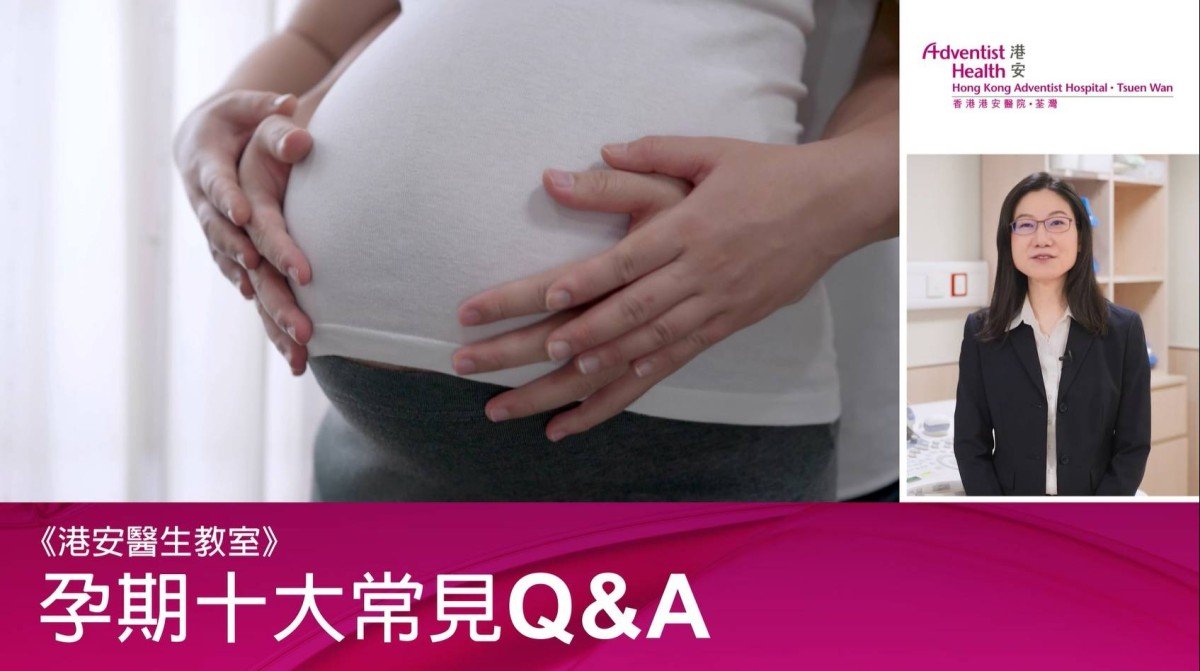
During pregnancy, expectant mothers should pay close attention to various aspects of daily life to ensure both maternal and fetal health.
Dietary Considerations:
Caffeine intake should be limited to less than 200mg per day (approximately two cups of coffee). Be mindful of cumulative caffeine from sources such as tea and chocolate, as excessive intake may increase the risk of miscarriage or low birth weight. Avoid raw or undercooked seafood to reduce the risk of bacterial infections, such as Listeria monocytogenes, which may lead to miscarriage or stillbirth. It is safer to consume seafood that has been thoroughly cooked.
Physical Activity and Daily Lifestyle:
Pregnant women are encouraged to engage in moderate exercise, such as walking or prenatal yoga, while avoiding high-impact or contact sports. For hair dyeing and cosmetic use, it is advisable to wait until after 12 weeks of gestation, and choose products that are low-allergenic, lead-free, and specifically formulated for pregnancy. If the pregnancy is stable, air travel during the second trimester is generally more comfortable. Always check with your airline in advance regarding travel policies for pregnant passengers.
Discomforts and Warning Signs:
Mild abdominal discomfort may be caused by intestinal activity or round ligament stretching. However, if you experience severe pain, regular contractions, vaginal bleeding, or rupture of membranes, you should seek immediate medical attention. Fetal movements typically begin between 18 and 24 weeks of gestation. If no movement is felt by week 24, consult your healthcare provider without delay.
Sexual Activity:
If there are no complications such as placenta previa, sexual activity may be maintained during pregnancy. However, avoid pressure on the abdomen and vigorous movements. Stop intercourse and seek medical advice if there is bleeding, amniotic fluid leakage, or pain.
Vaccinations:
It is recommended to receive the pertussis (whooping cough) vaccine during the second or third trimester, preferably before 35 weeks of gestation.
Braxton Hicks vs True Labour:
False labour (Braxton Hicks contractions) are typically irregular and subside over time. In contrast, true labour contractions become progressively stronger and more frequent, and may be accompanied by bloody show or ruptured membranes, requiring immediate medical attention.
By understanding and following these important guidelines, expectant mothers can navigate their pregnancy journey with greater confidence and peace of mind — all in preparation for welcoming a healthy new life.



.png)