


da Vinci Xi Robotic System
.png)
-3.jpg)
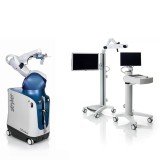
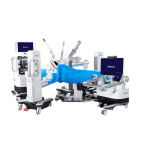
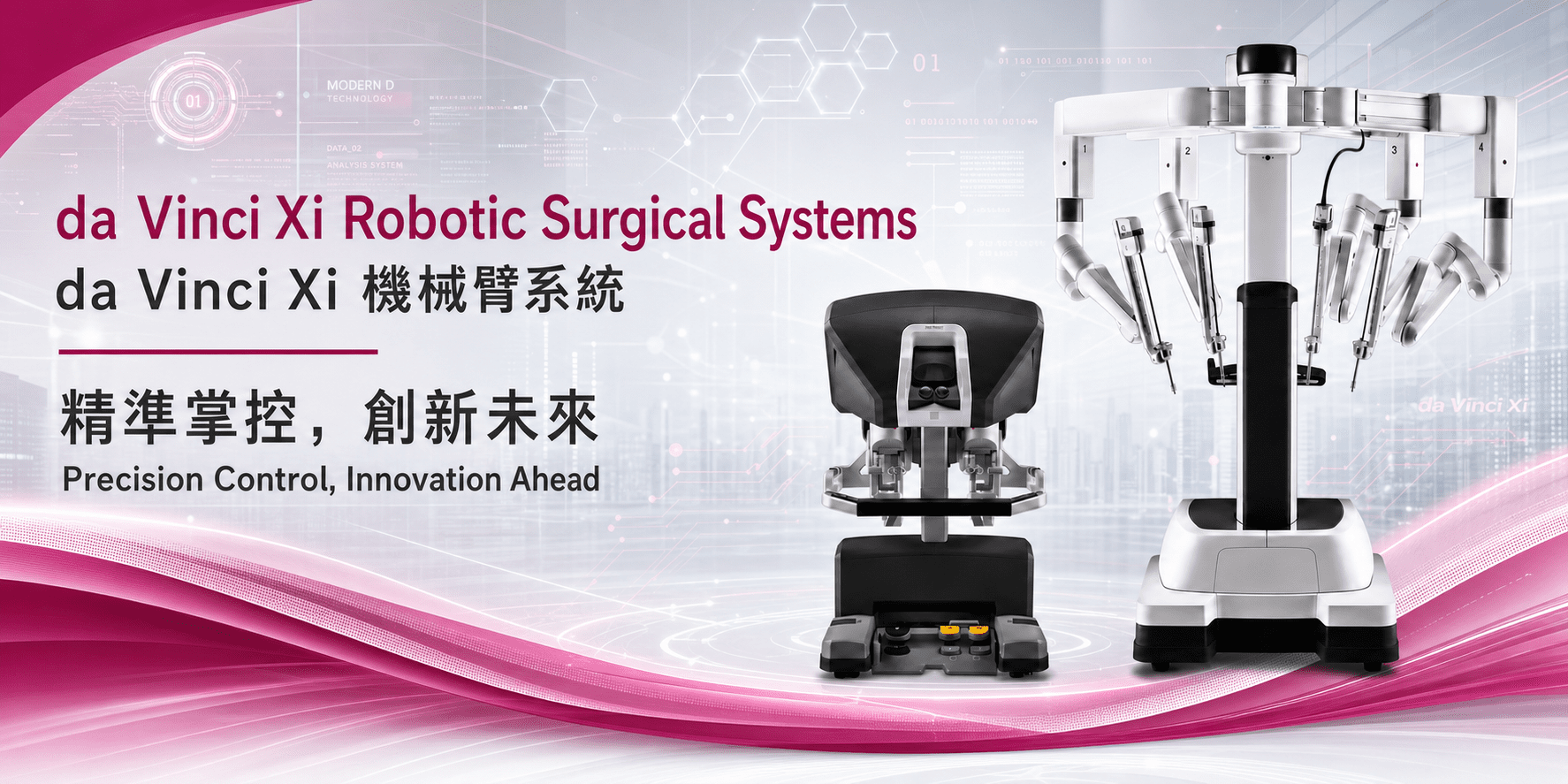
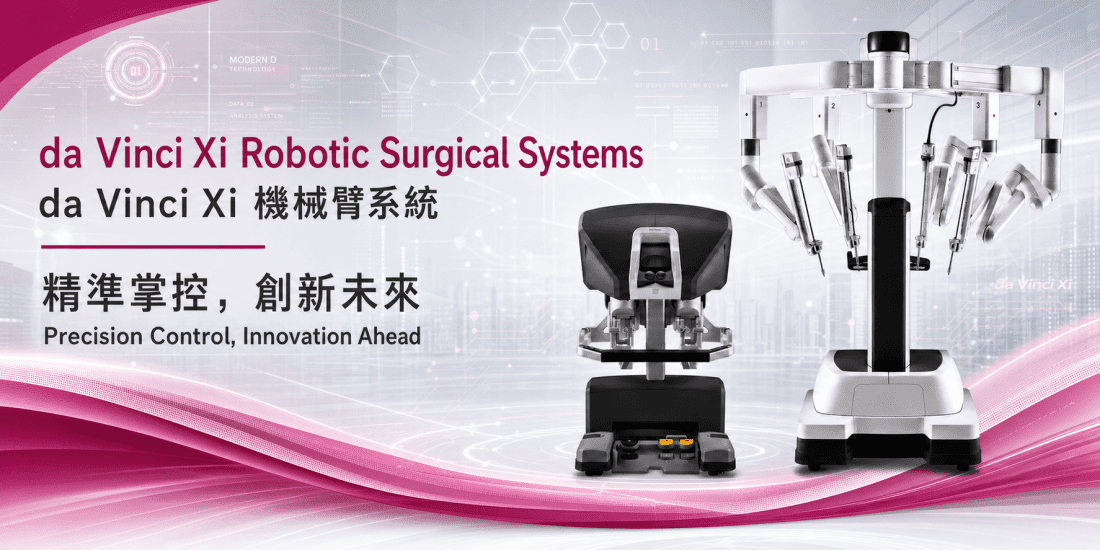
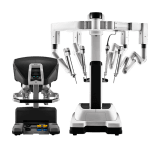
The fourth-generation da Vinci Surgical System is an advanced minimally invasive surgical platform. Globally, more than 12 million procedures have already been performed using the da Vinci system. This technology can be applied across a wide range of specialties, particularly in cancer treatment, including gastric cancer, liver cancer, and pancreatic cancer.
Prostate Cancer
Robotic-assisted surgery has been widely adopted for prostatectomy across many regions. In the United States, the annual number of prostate cancer procedures performed with robotic systems has already surpassed traditional open surgeries. Surgeons employ three-dimensional, high-definition imaging to precisely remove the prostate through minimally invasive techniques, while preserving critical nerves and blood vessels. This approach enhances surgical precision, ensures patient safety, and improves postoperative outcomes.
Colorectal Cancer
Robotic systems are highly effective in managing complex rectal cancer cases, helping to avoid side effects caused by nerve involvement, such as impairment of pelvic nerve function. Surgeons can access the pelvic cavity to remove tumors while preserving anal muscle function, thereby eliminating the need for permanent colostomy surgery.
Stomach Cancer
Robotic-assisted surgical systems support gastric cancer procedures by enabling faster and more precise removal of lymph nodes located close to the aorta, while avoiding injury to nearby major blood vessels. This enhances both surgical safety and accuracy.
Liver Cancer
The liver is densely packed with blood vessels and connected to the bile ducts. Robotic-assisted surgical systems provide three-dimensional, clear, and magnified real-time imaging, while filtering out hand tremors from the surgeon. This further enhances surgical precision and improves safety.
Pancreatic Cancer
Robotic-assisted surgical systems support pancreatic cancer procedures by providing three-dimensional, high-definition, magnified real-time imaging. Surgeons can more precisely dissect tumor tissue while avoiding injury to the complex network of blood vessels and bile ducts surrounding the pancreas. The system also filters out hand tremors, further enhancing surgical safety and accuracy, and contributing to improved postoperative outcomes.


.png)


Consultant In General Surgery
Clinical Director Of Surgical Services

FRCSEd
FCSHK
FHKAM (Surgery)
Consultant In General Surgery
Clinical Director Of Minimally Invasive Surgery And Colorectal Disease Center

MRCSEd
FRCSEd
FCSHK
FHKAM (Surgery)

FRCSEd
FCSHK
FHKAM (Surgery)
Consultant In General Surgery
Clinical Director of Hepatobiliary and Pancreatic Diagnostic and Treatment Center

MS (HK)
FRCSEd
FHKAM (Surgery)
FCSHK
Consultant In General Surgery
Clinical Director Of Hong Kong Adventist Breast Care Center

FCSHK
FRCSEd (Gen)
FHKAM (Surgery)



.png)