


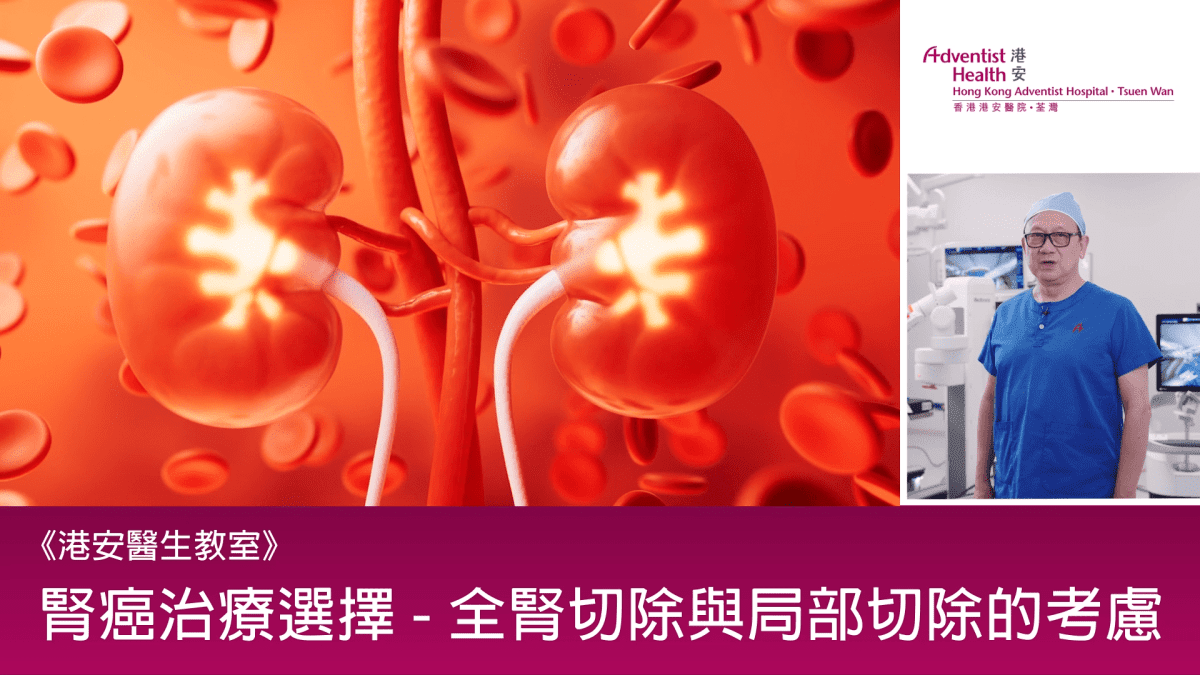
Consultant In Urology Dr. Chan Lung Wai: Early Detection of Kidney Cancer — Surgical Choice Matters for Preserving Kidney Function!
Many kidney cancer cases can be detected at an early stage. With timely surgery, the cure rate can be highly favourable. In the past, the standard treatment was radical nephrectomy, which involves removing the entire kidney. However, with advances in medicine, partial nephrectomy may now be considered for early-stage tumours, allowing more healthy kidney tissue to be preserved. In recent years, the cure rate of partial nephrectomy has been comparable to that of total kidney removal. This is especially important for patients with chronic illnesses, as it helps reduce the risk of declining kidney function in the future.
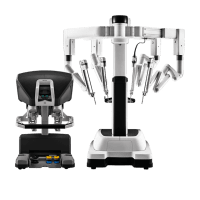
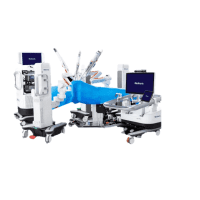
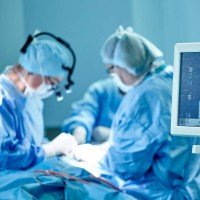
Currently, surgical options are mainly divided into traditional open surgery and minimally invasive surgery, including laparoscopic and robotic-assisted surgery. Robotic-assisted partial nephrectomy provides a clearer surgical view and greater flexibility in movement, helping to improve kidney preservation. However, the procedure requires precise timing, as bleeding must be controlled and suturing completed as quickly as possible to reduce the risk of affecting kidney function. Although partial nephrectomy carries a slightly higher risk, its kidney-preserving benefits are worth considering for suitable patients. For more complex tumours, however, removing the entire kidney may be the safer option.
There is no single “best” surgery — only the most suitable choice for each patient. Doctors will recommend a treatment plan based on the patient’s individual condition and make a shared decision together with the patient. As early-stage kidney cancer often has no obvious symptoms, it is advisable to maintain a healthy lifestyle and undergo regular check-ups to lower the risk and enable early detection.

.png)




.png)