

PRP - Platelet Rich Plasma Injection Therapy


.png)
.png)
PRP is a biologic treatment prepared from the patient’s own blood. By concentrating platelets and their growth factors, PRP is intended to support repair in injured soft tissues and joints. The information below is provided for patient education on treatment concepts and clinical considerations. For personalised assessment and recommendations, please consult with our hospital’s medical team.
How it works
Platelets release growth factors and signaling molecules that influence inflammation, cell proliferation and tissue repair. Injecting concentrated platelets into an injured area or joint can create a local environment that supports the body’s healing processes. Clinical effects vary by condition and patient.
Preparation and procedure
A blood sample (volume varies by protocol) is taken from the patient and processed by centrifugation to concentrate platelets into a small plasma volume. The resulting PRP (typically a few milliliters) is injected into the target tissue or intra articularly under aseptic conditions. Imaging guidance (e.g., ultrasound) may be used to improve accuracy. Specific preparation methods differ between systems and clinics.
PRP is commonly used for tendon disorders (e.g., lateral epicondylitis/“tennis elbow”, Achilles tendinopathy), certain ligament and muscle injuries, selected degenerative joint conditions (especially in earlier stages), and chronic soft tissue problems that heal slowly. Treatment suitability should be determined on an individual basis.
Potential benefits
May reduce pain and improve function in some patients.
Can support tissue repair via growth factor activity.
Uses autologous material, lowering the risk of immune or allergic reactions.
In selected cases may delay or reduce the need for more invasive interventions.
Limitations and evidence
Clinical outcomes depend on the treated condition, PRP preparation method, injection technique and patient factors (age, general health, severity). While evidence exists for some uses, study findings are mixed and not every condition responds predictably. Patients should discuss the current evidence and expected outcomes for their specific situation with our medical staff.
Risks and side effects
Because PRP is autologous, major systemic risks are uncommon. Frequent minor effects include temporary pain at the injection site, localized swelling and bruising. Infection is rare when aseptic technique is followed. Prior to treatment our medical team will screen for active infection, significant blood disorders, or medications that affect coagulation—these factors may require treatment modification or postponement.
Post procedure care
Patients are typically observed briefly and may go home the same day. Short term rest of the treated area is recommended, with gradual return to activity according to the treating medical team’s instructions. Ice and analgesics may be used for transient discomfort. Some clinicians limit short term use of NSAIDs because they can affect platelet function—please follow the guidance given by our medical staff.
Treatment course
Protocols vary: some cases are managed with a single injection, while others use multiple injections spaced several weeks apart. The appropriate regimen will be determined by the treating medical team based on diagnosis and individual response.


Consultant In Orthopaedics & Traumatology
FHKCOS
FHKAM (Orthopaedic Surgery)
FRCSEd (Orth)
MRCSEd
Clinical Director Of Robotic Surgery (Joint Replacement) (HKAH-SR)
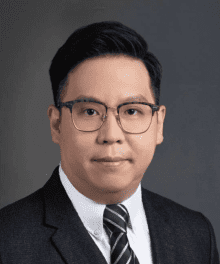
MRCSEd
FRCSEd (Orth)
FHKCOS
FHKAM (Orthopaedic Surgery)
Robotic Surgery (Joint Replacement)
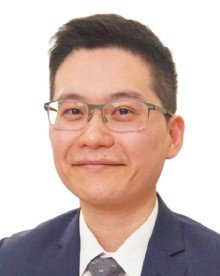
MRCSEd
FRCSEd (Orth)
FHKCOS
FHKAM (Orthopaedic Surgery)

Consultant In Orthopaedics & Traumatology
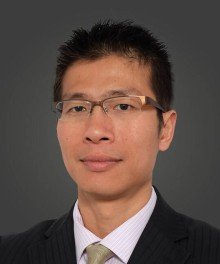
DFM (HKCFP)
DCH (Irel)
MRCSEd
FRCSEd(Orth)
FHKAM (Orthopaedic Surgery)
FHKCOS
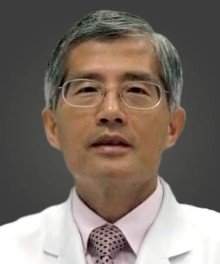
FRCSEd
FCSHK
FHKCOS
FHKAM (Orthopaedic Surgery)
FRACS
Consultant In Orthopaedics & Traumatology
FRCSEd (Orth)
FHKCOS
FHKAM (Orthopaedic Surgery)
MRCSEd
FRCSEd (Orth)
FHKCOS
FHKAM (Orthopaedic Surgery)
Robotic Surgery (Joint Replacement)
MRCSEd
FRCSEd (Orth)
FHKCOS
FHKAM (Orthopaedic Surgery)
Spine Surgery
M Med Sc (HK)
FRCSEd(Orth)
FHKCOS
FHKAM (Orthopaedic Surgery)


.png)