About Cardiac Catheterization and Interventional Center
FAQ of Coronary Artery Disease
Interventional Procedures
Cardiac Assessment Program
Calculate My Risk

About Cardiac Catheterization and Interventional Center

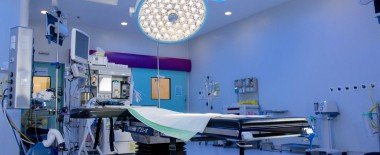
Equipped with state-of-the-art digital imaging equipment, the CCIC in TWAH provides a range of diagnostic and therapeutic procedures for cardiac patients living in Western Kowloon and the New Territories. Patients in a critical condition will no longer have to travel long distances for life-saving interventions.

The CCIC is staffed with a full team of expert cardiologists, technicians, radiographers and nurses all highly experienced in their field. It allows cardiologists to care for their patients with greater speed and precision than ever before. Well-equipped operation rooms and a 24-hour emergency interventional service are available for life saving procedures, including percutaneous coronary intervention.

-back-

FAQ of Coronary Artery Disease

  • What is Coronary Artery Disease?

    This is the commonest of all cardiovascular disease. The coronary arteries supply oxygen and nutrients to the heart muscle, but once they become narrowed, or blocked, due to plaque deposition inside the vessel wall, or a clot blocking the lumen, the vital supply of oxygen is reduced, and the function of the heart is adversely affected.

  • What are the Symptoms of Coronary Artery Disease?

    Most people with Coronary Artery Disease are not aware of their condition until symptoms occur. Some patients with CAD may experience a squeezing, suffocating, or burning feeling in the chest during exercise or at times of emotional stress. The pain may last no longer than a few minutes and will go away with rest, or may be persistent for hours.

  • How to diagnosis Coronary Artery Disease?

    Coronary anatomy is accurately defined by diagnostic coronary angiography. It is done very sagely under local anaesthesia.

  • Can it be treated?

    A very effective treatment is Balloon Angioplasty and Stenting, which widens the blocked or narrowed segment of the involved vessel and reduce the incidence of post-procedural re-narrowing. This procedure is usually performed at the same setting following the initial cardiac catheterization and coronary angiography.
    Another alternative is coronary bypass grafting via open heart surgery.

-back-

Interventional Procedures

Coronary Angiography

This procedure remains the ˇĄgold standardˇ¦ for diagnosing coronary artery disease, and provides an accurate assessment of the severity of stenos is in an artery. A thin specialized catheter is fed into the aorta via a small puncture over a peripheral artery, and guided into the heart under X-ray control. The coronary arteries are viewed under X-ray using radio-opaque contrast, coronary balloon dilation with or without stenting for a significantly narrowed segment id usually performed at the same setting.

Coronary Balloon Angioplasty

This is a minimally invasive procedure to open narrowed or blocked coronary arteries performed under local anesthetic, and with X-ray control. A cardiac catheter is inserted either via the groin or the wrist, and the balloon is positioned within the narrowed segment of your coronary artery. The balloon is then inflated and the stenosed segment of the artery is then widened, thus allowing restoration of normal blood flow.

Stenting

A stent is delivered and placed inside a segment of an artery following balloon dilatation. It is made of very thin steel and is in the form of a cylindrical slotted tube of different sizes. It is rigid enough to prevent collapse of a vessel after balloon dilatation, yet flexible enough to be delivered to the segment which has just been dilated. Drug-eluting stents are stents that have been coated with medications that can prevent restenosis caused by overgrowth of tissue (intimal hyperplasia). Following successful angioplasty and stenting, a patient requires adequate anti-platelet agents, usually a combination of aspirin and another medication called Plavix, to prevent clotting.

-back-

Cardiac Catheterization and Interventional Center

Location

2rd Floor, Main Hospital Building,Tsuen Wan Adventist Hospital

Telephone 2276 7238
© 2008 Adventist Health. All Rights Reserved. Legal Statement | Sitemap